

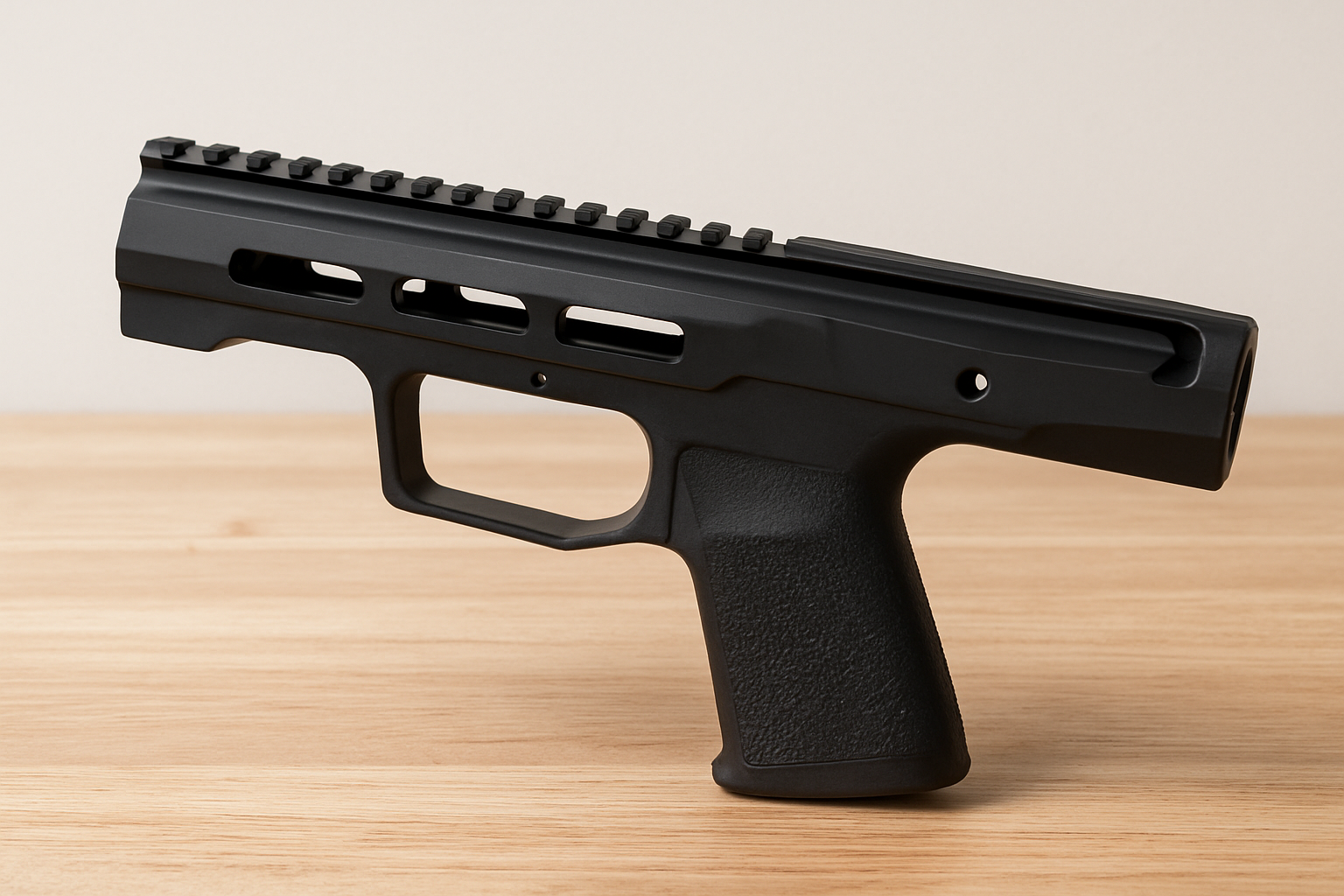
Firearm enthusiasts and competitive shooters have long sought ways to enhance performance without compromising safety. The psa dagger chassis has become a subject of considerable discussion among gun owners who want to understand exactly how this platform interacts with various components, upgrades, and safety systems. This article addresses the most pressing questions surrounding chassis safety and compatibility, presented in a straightforward way that serves both new owners and experienced users.
How Does the PSA Dagger Chassis Handle Structural Integrity Under Regular Use?
The chassis is built around a reinforced polymer frame designed to withstand consistent use across a wide range of conditions. The structural composition of the frame allows it to absorb recoil forces effectively while maintaining dimensional consistency over time. Owners who subject their pistols to high-volume shooting sessions have observed that the chassis retains its shape and functional tolerances, which speaks to the quality of the manufacturing process. Proper maintenance, including routine inspection of the frame for stress marks or unusual wear, remains essential for long-term reliability.
What Safety Mechanisms Are Integrated Into the Chassis Design?
The chassis incorporates a trigger safety that prevents unintended discharge when the trigger is not deliberately pressed. A drop safety system is also present, ensuring that the firearm does not fire if subjected to impact from an angle. An internal firing pin safety blocks forward movement of the firing pin unless the trigger is fully engaged. These layered safety features work together as a system rather than independently, providing a reliable foundation for responsible carry and use.
Is the PSA Dagger Chassis Compatible With Aftermarket Components?
Compatibility is one of the most frequently discussed aspects of this platform. The chassis is designed with dimensional specifications that align closely with widely recognized pistol form factors in the same category. This means that many holsters, light attachments, and grip accessories designed for similar platforms tend to fit without significant modification. However, not every aftermarket part integrates seamlessly. Users should verify fitment carefully before assuming cross-compatibility, particularly with internal components such as triggers, sears, and guide rods. Dry-fitting and functional testing prior to live fire is a strongly recommended practice.
Can Optics Be Mounted Directly to the Chassis or Slide?
Optics compatibility is achieved primarily through the slide rather than the chassis itself, though the chassis indirectly supports this function by maintaining proper alignment between the frame and slide. Many modern optic mounting plates are designed to work with the slide’s rear configuration, and users have reported success with a variety of red dot systems when using the appropriate mounting hardware. Ensuring that mounting screws are properly torqued and that thread-locking compound is applied where recommended will prevent optic shift during extended firing sessions.
What Should Owners Know About Grip Module and Rail Compatibility?
The accessory rail integrated into the chassis allows for the attachment of lights and lasers that follow standard rail dimensions. Owners should confirm that any accessory attached to the rail does not interfere with the trigger guard area or obstruct the natural draw stroke. Grip modifications such as stippling or talon grips can be applied to the chassis without compromising its structural function, provided the work is done conservatively and does not remove material from load-bearing sections of the frame.
How Should the Chassis Be Inspected for Long-Term Safety?
Routine inspection should include a visual examination of the chassis for cracks, particularly around the trigger housing pin holes, frame rails, and locking block area. The locking block itself should be checked for signs of peening or deformation, as this component bears significant stress during the firing cycle. Any signs of unusual wear or looseness in the chassis-to-slide fit warrant a closer evaluation before continued use. Consulting a qualified gunsmith when uncertain about the condition of any structural component is always the responsible course of action.
The PSA Dagger chassis offers a solid foundation for a wide range of applications, provided owners approach it with the same diligence they would apply to any precision tool. Understanding its safety systems, compatibility range, and inspection requirements ensures a reliable and responsible ownership experience.